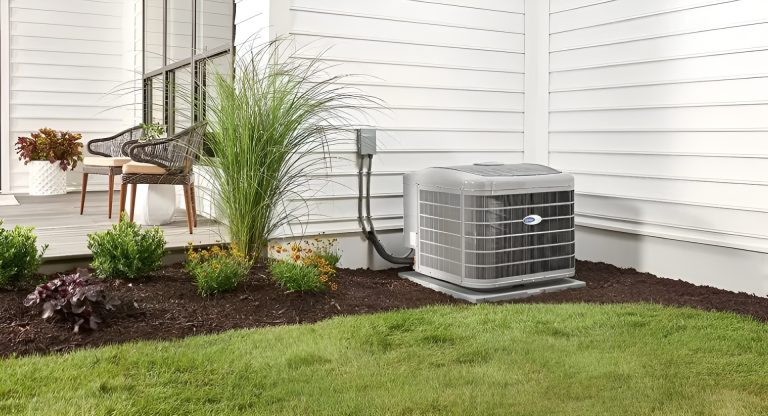
The Quick Answer: The “right size” is the one that keeps rooms evenly cool, tames humidity, and runs in steady cycles. Too big and you get short bursts of cold air, clammy rooms, and higher bills. Too small and it runs nonstop and still can’t catch up. A good installer listens to how your home feels, the temperatures during sunlight, insulation, windows, and room layout, and then recommends a size and style that fit your life.
Why does AC size matter more than most people think?
Sizing is about how your home feels after the crew leaves. The right match gives you that “ahh” moment. Bedroom temps finally match the living room and you’ll be more comfortable for better sleep. The wrong size steals comfort with sticky air, hot corners, noisy starts, and a system that seems “busy” but never settled. When you size thoughtfully, the whole house becomes more comfortable.
How can you tell if your current AC is oversized?
Oversized systems blast cold air, shut off, then repeat. However, they never run long enough to pull moisture out of the air. You’ll notice the thermostat says the right number, but the air still feels damp, some rooms swing hot and cold, and the outdoor unit keeps clicking on and off. If you hear those quick, frequent starts and your home feels cold but clammy, the system may be too big for the job.
How can you tell if it’s undersized?
Undersized systems try their best but can’t keep up on the hottest afternoons. They run and run, vents feel weak, and certain rooms never cool down. You may also see longer downtime for the unit at night and then marathon runs during the day. If you’ve cleaned the filter, kept blinds closed against direct sun, and it still struggles, it’s worth rethinking the size and style of the replacement.
Does square footage alone decide AC size?
Square footage is a starting point. Two homes with the same footprint can need different solutions because the details matter. Things to consider are sunny rooms with big windows, an open two-story living area, a finished attic, your insulation level, or even how many people are home during the day. A thoughtful walkthrough turns those details into a comfort plan that matches your home.
What everyday clues should you share during an estimate?
Tell your installer how the home actually feels. For example, “The upstairs gets sticky after lunch,” “The nursery is always stuffy,” “The den is quiet but warm,” “We work from home and need quiet.” Share little clues like where the sun hits, which doors stay closed, and what time the house starts to feel heavy help dial in the size, the style, and even where vents or indoor heads should go.
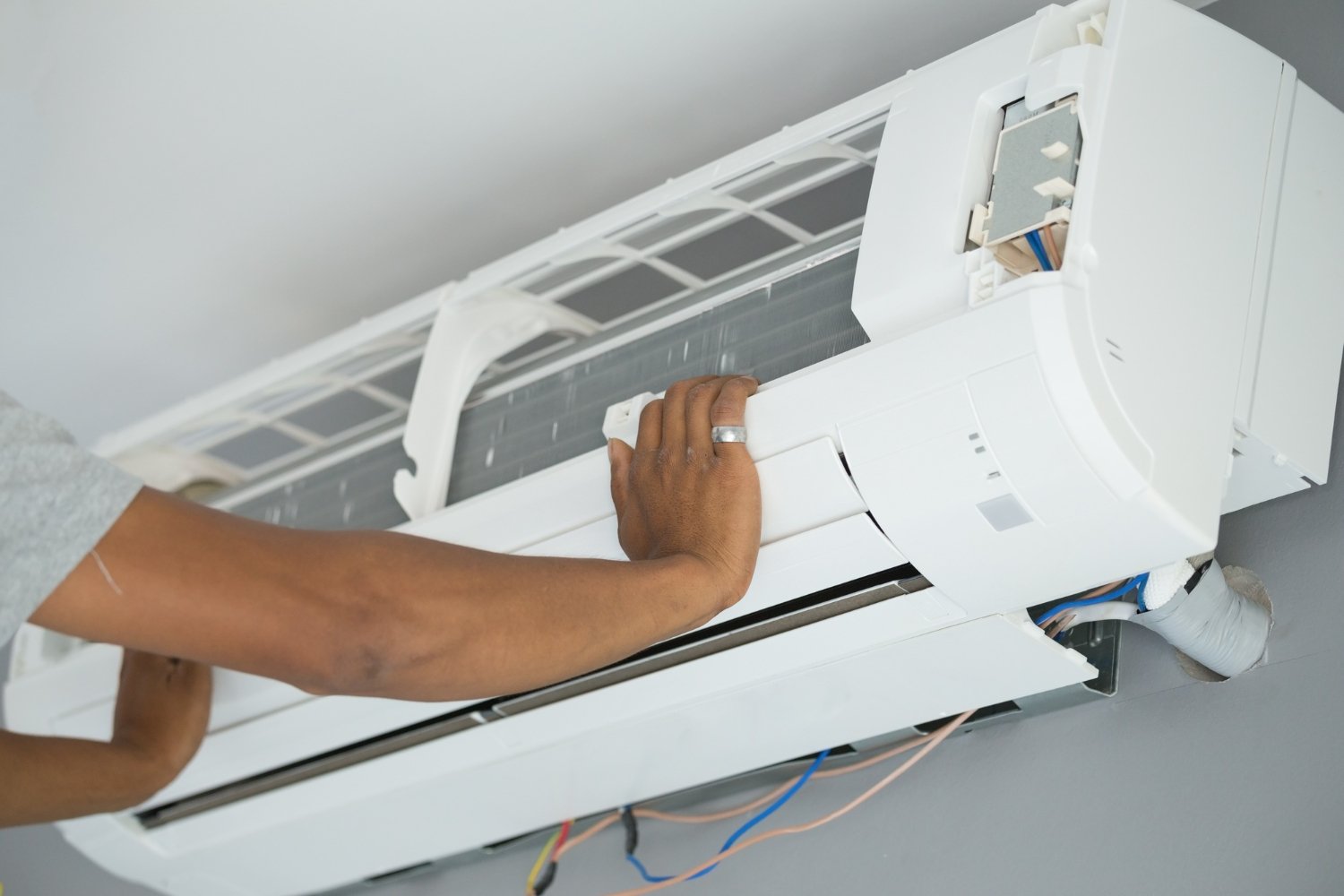
Is a bigger air conditioner more comfortable?
Not usually. Bigger often means louder starts, short cycles, and uneven rooms. Comfort lives in the steady middle.
What about humidity? Does sizing affect that too?
Absolutely. Comfort isn’t just temperature. It’s also moisture in the air. A right-sized system has enough run time to wring out the stickiness so rooms feel crisp, not clammy. If humidity is your main complaint, your installer may suggest a unit that’s great at longer cycles or a setup that pairs well with a dehumidification mode, so the house feels lighter even at the same thermostat setting.
Do insulation and windows change the size you need?
They do. Good insulation and tight windows reduce the “load” on your system, which can mean a smaller size delivers better results. Leaky windows and thin attic insulation do the opposite. If you’ve upgraded the shell of the home, meaning you added new windows or an update like a sealed attic, mention it. You might be able to choose a right-sized system that uses less energy.
What’s different about sizing for an open floor plan?
Open plans are beautiful. However, they can make sizing trickier. Big, connected spaces and lofty ceilings can hold heat up high while the family hangs out below. That doesn’t always mean you need a beast of a system, but it does mean you may want a unit that can run steadily and quietly, or a setup that directs comfort to the places you actually live. Sometimes small adjustments make a big difference in how the space feels.
How do ductless mini-splits change the sizing conversation?
Ductless shines when rooms have different needs. They are great for bonus rooms, sunrooms, finished basements, or a home office that runs warm. Instead of one size for the whole house, you match each indoor head to the space it serves. That targeted approach often solves “problem rooms” without oversizing the rest of your home. It’s a comfort pick, not just a technology pick.

Is a heat pump sized differently than central AC?
The comfort goal is the same, but many homeowners choose heat pumps for year-round comfort. You’ll still want a size that delivers longer runs and helps with humidity. Your installer may discuss models that sip energy gently and keep noise low while covering both seasons without a fuss.
Can a right-sized system still struggle if the ducts aren’t right?
Yes. If air can’t move freely, even the perfect unit feels average. Kinks, leaks, or starved returns can make some rooms chilly and others stubbornly warm. A good installer will take a quick look at accessible ductwork and talk plainly about simple fixes that improve day-to-day comfort.
What if your home has that one room that’s always warmer?
You’re not alone. Sunrooms, rooms over garages, and upstairs corners are usual suspects. You have options. Consider a ductless head for that space, a small duct adjustment, or a system choice that’s great at long cycles. The point is to solve that room without oversizing the whole house and creating new problems elsewhere.
How do you choose between two sizes that both “could work”?
Ask which choice will make the house feel calmer. If one option promises steadier runs, better humidity control, and quieter evenings, that’s usually the keeper. If you’re on the fence, think about lifestyle. Do you like a cooler bedroom at night? Do you work from home and need quiet? Pick the option that matches how you live, not just a number on paper.
Will a right-sized system save on energy bills?
Often, yes. Longer cycles use energy more evenly and keep the home from yo-yoing. Pair that with simple habits like a clean filter, clearing space around the outdoor unit, shutters or blinds during the hottest hours, and you’ll usually see smoother bills and fewer surprises.
What should “great” feel like after the new AC is installed?
A great AC installation means you barely think about it. The house holds steady, the air feels light, and bedtime is easy. The vents don’t blast. If something’s not quite there — maybe the guest room runs a touch warm — tell your installer. Fine-tuning after you’ve lived with it for a week is part of a good experience.

How do you prepare for a sizing visit without learning a bunch of jargon?
Keep it simple. Jot down when and where the house feels uncomfortable, what rooms you use most, and any “must-haves.” Clear a little path to your current equipment and the outdoor unit. That’s it. Your job is to describe what you feel. Your installer’s job is to translate that into comfort that lasts.
How do maintenance and filters play into sizing success?
Sizing sets you up for success. However, it is the simple care that keeps it going. When your filter’s full, air can’t move like it should. That’s when your AC starts to struggle, and sometimes freeze up. Set a reminder to check filters, keep a little breathing room around the outdoor unit, and schedule seasonal check-ins so small things stay small. If you’d rather not think about it, an easy service plan with reminders and priority help keeps comfort predictable.
What should you ask during your estimate so you choose confidently?
Try these questions:
- “Which option will feel calmer in everyday life?”
- “How will this handle humidity on those extra-sticky days?”
- “If we start in the morning, when should I expect that first truly cool evening?”
- “What kind of simple care do you recommend so comfort stays steady?”
How does a trusted installer keep this process stress-free?
They listen first, talk like a neighbor, and give you clear choices without pressure. They show up on time, keep things tidy, and stay until you feel the difference room to room. Most of all, they care more about your quiet, even comfort than about showing off tools. That’s the experience you deserve.
Ready for help choosing the right size and setup for your home?
Call (678) 909-6377 or request a quick visit online. Self Brothers will listen first, lay out no-pressure choices, and handle the details so you can enjoy lasting comfort.