Quick Answer: You should consider replacing your air conditioner if it is older than ten to fifteen years, needs frequent repairs, or a major repair will cost close to half the price of a new system. You should consider repairing your air conditioner if it is newer, has had regular maintenance, and the issue comes down to a simple part failure that a technician can fix quickly.
HOW DO YOU KNOW IF YOUR AIR CONDITIONER SHOULD BE REPAIRED OR REPLACED?
A helpful place to start is with the system’s age, repair history, and how well it has been performing. If your air conditioner is still fairly young and has not shown many issues, a repair usually makes sense. If it is older and has needed several recent fixes, replacement may be the better long-term choice.
You should also think about how your home has felt. If cooling has been uneven or the system has been running longer than usual, your air conditioner may be struggling. This often points to deeper wear that a repair may not fully solve.
HOW DOES YOUR AC’S AGE AFFECT THE REPAIR OR REPLACE DECISION?
Age is one of the biggest clues. Most systems begin to show significant wear after ten to fifteen years. Parts become harder to find, efficiency drops, and breakdowns become more common. In that stage of the system’s life, major repairs can feel like temporary fixes rather than lasting solutions.
A younger system is designed to give you many more seasons of smooth cooling. When a newer system has a single issue, repairing it is usually the simplest and most cost-effective path.
CAN REPAIR COSTS HELP YOU FIGURE OUT THE RIGHT CHOICE?
Yes. Many homeowners find the fifty percent guideline helpful. If a single repair costs close to half the price of a new system, choosing replacement often makes more sense. A large repair on an aging system rarely guarantees long-term reliability. In many cases, it only delays another service call.
If the repair is small and the rest of the system is in good shape, repairing the issue can help the system work like normal again. The key is to compare the repair cost to the remaining life of the air conditioner.
WHAT WARNING SIGNS SHOW YOUR AC MAY NEED MORE THAN A SIMPLE REPAIR?
Certain problems suggest deeper issues inside the system. These include:
- Weak airflow
- Warm air coming from vents
- Loud buzzing or grinding noises
- Water around the indoor unit
- Sharp increase in energy use
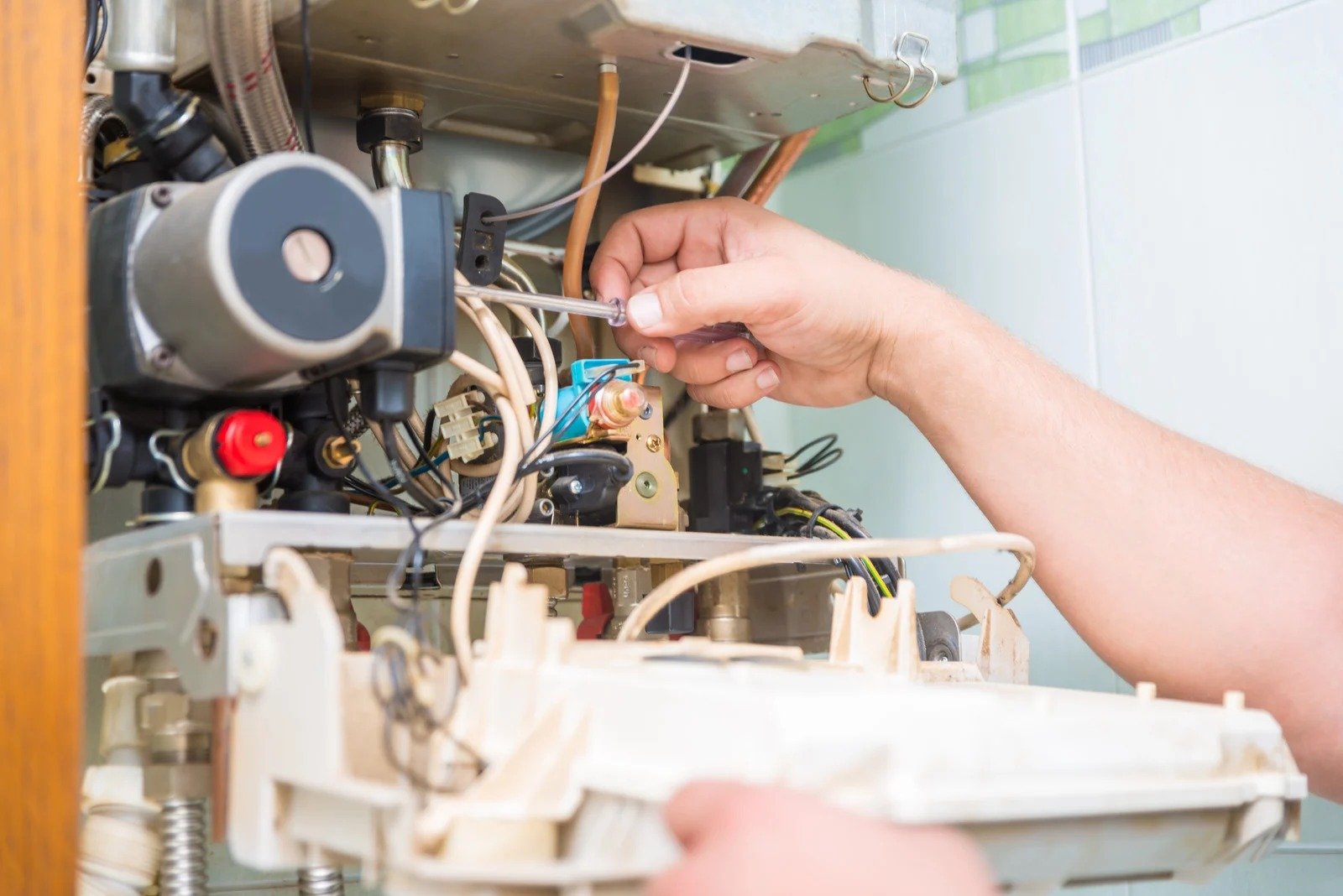
These symptoms do not guarantee that replacement is needed, but they do mean that the system needs a closer look. Sometimes the cause is a small part. Other times, the system is wearing out in several areas. A careful inspection brings clarity so you can make a confident choice.
WHAT QUICK CHECKS CAN YOU TRY BEFORE CALLING A TECHNICIAN?
A few simple steps can help you rule out small issues before scheduling a visit:
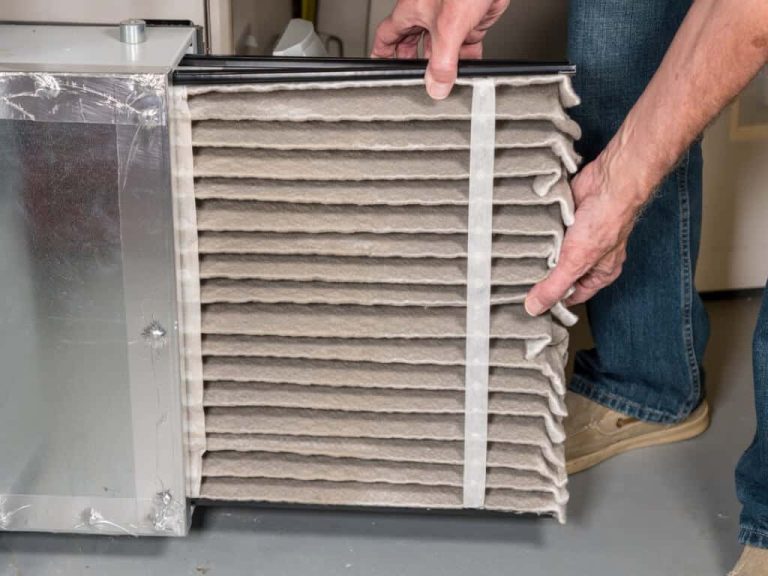
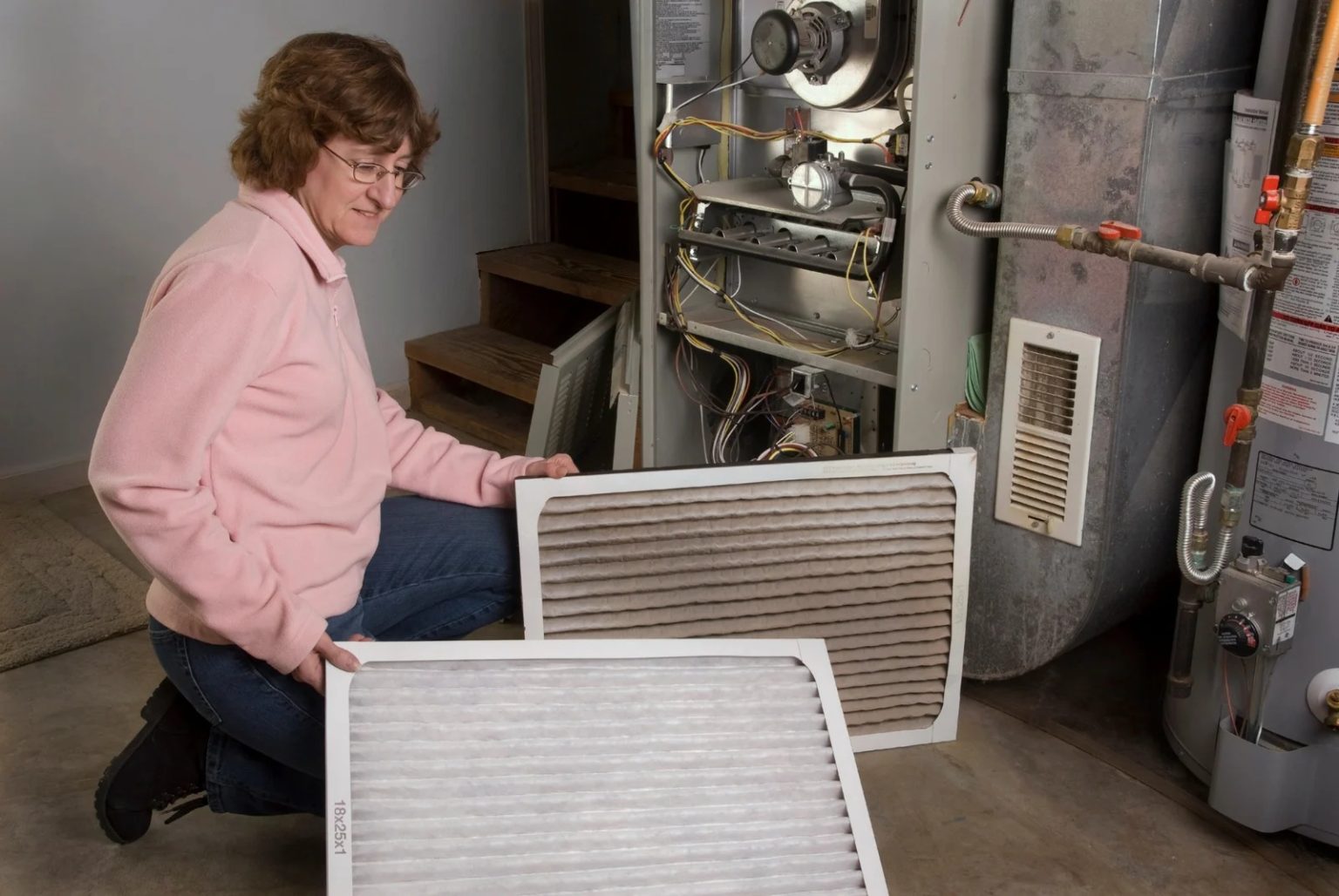
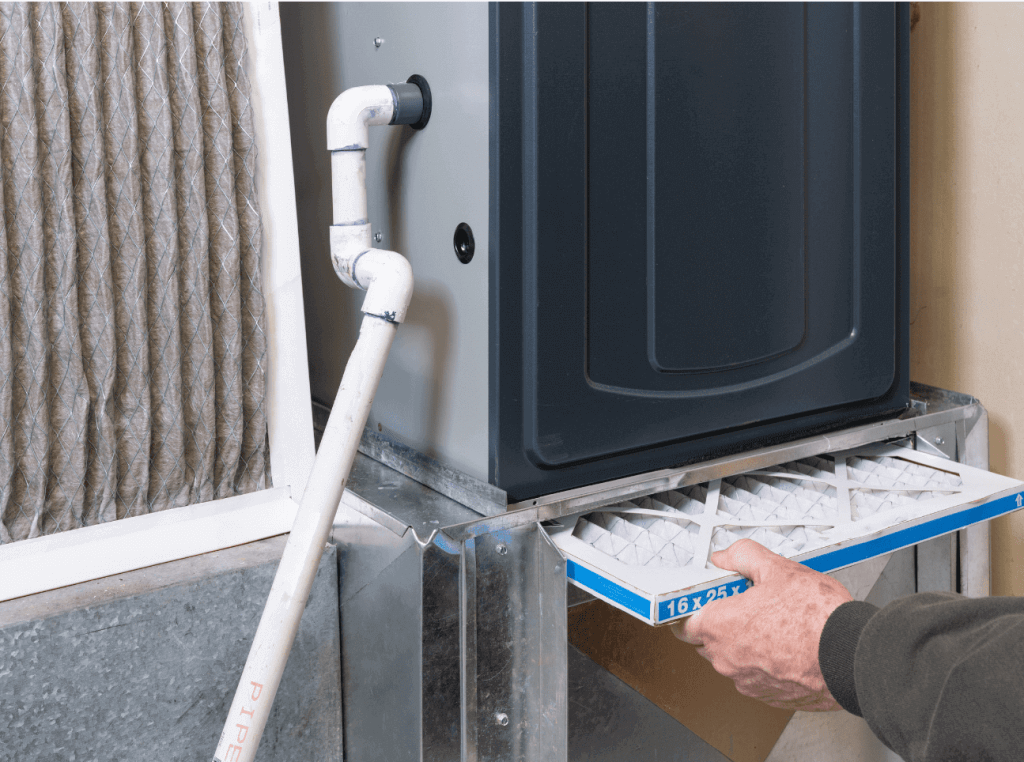
- Replace the air filter to support airflow.
- Make sure vents are open and not blocked by furniture.
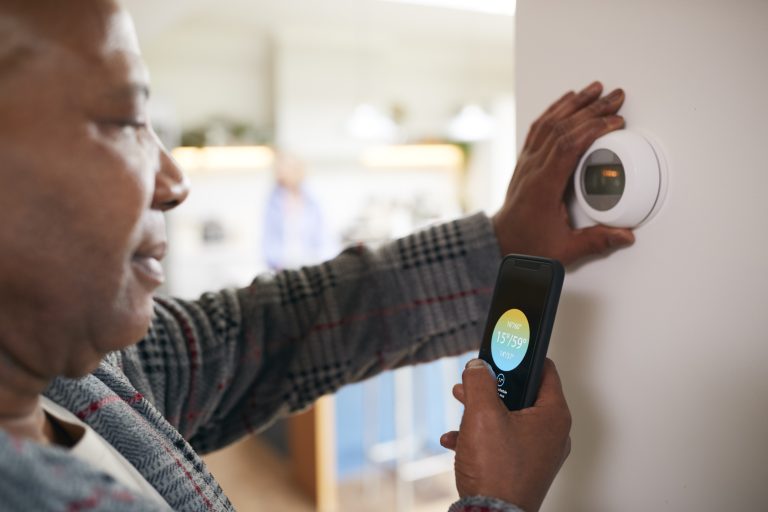
- Check thermostat batteries and settings to ensure the schedule is correct.
- Look for ice on the indoor coil or the outdoor unit. If you see ice, turn off the system and allow it to thaw.
If your air conditioner still struggles after these checks, a technician can help identify the problem. Find out how cooling systems work so you can be properly guided on what needs checking.
HOW DOES ENERGY EFFICIENCY IMPACT WHETHER YOU SHOULD REPAIR OR REPLACE?
Energy efficiency plays a major role in your decision. As systems age, they need more power to cool your home. They cycle more often, run for longer periods, and still may not cool as well as they used to. If your bills have been rising even though your routine is the same, your air conditioner may no longer be efficient.
A new system cools your home more smoothly and uses far less energy. Many homeowners notice a more comfortable atmosphere, lower bills, and quieter operation. Over time, these improvements make replacement worthwhile.
DO FREQUENT REPAIRS MEAN REPLACEMENT MIGHT BE SMARTER?
Yes. One repair now and then is normal. But if you find yourself calling for service two or three times in a short period, that usually means several internal components are wearing out at the same time. Replacing the system often becomes more cost-effective and less stressful than repairing part after part.
CAN YOUR REFRIGERANT TYPE INFLUENCE THE DECISION?
It can. Older systems sometimes use refrigerants that are no longer widely available. If your system uses one of these refrigerants and a leak happens, repairing and refilling it can be costly. Fixing the leak also does not prevent future leaks. Because of this, many homeowners choose replacement instead of paying for repeated refrigerant service.
If your system uses the newer refrigerants, repairs may be simpler and more cost-effective.
HOW DOES COMFORT AND AIR QUALITY HELP GUIDE THE CHOICE?
Comfort is a major factor. If your home has warm spots, rising humidity, or inconsistent airflow, your system may be undersized or may no longer be strong enough to keep up with your needs. Repairing a single part rarely solves ongoing comfort problems.
A new system can bring smoother airflow, more even cooling, and better humidity control. Many homeowners notice the difference right away in how their home feels and breathes.
WHEN SHOULD YOU CALL A PROFESSIONAL TO HELP YOU DECIDE?
You should call a professional when cooling issues do not improve with simple checks. Situations like repeated breaker trips, visible leaks, loud noises, or warm air coming from vents should be reviewed by a trained technician. These issues can signal deeper internal wear that needs skill and proper tools to diagnose.
A NEIGHBORLY REMINDER FROM SELF BROTHERS
If your air conditioner is giving you trouble and you are not sure what to do next, you do not have to figure it out alone. We can take a look, explain what is happening in simple, friendly language, and help you choose the option that feels right for your home and your comfort.Call (470) 524-1533 or request service online to schedule a friendly, no-pressure visit with Self Brothers Heating & Cooling and get your furnace and heating repairs taken care of before the winter chill sets in!